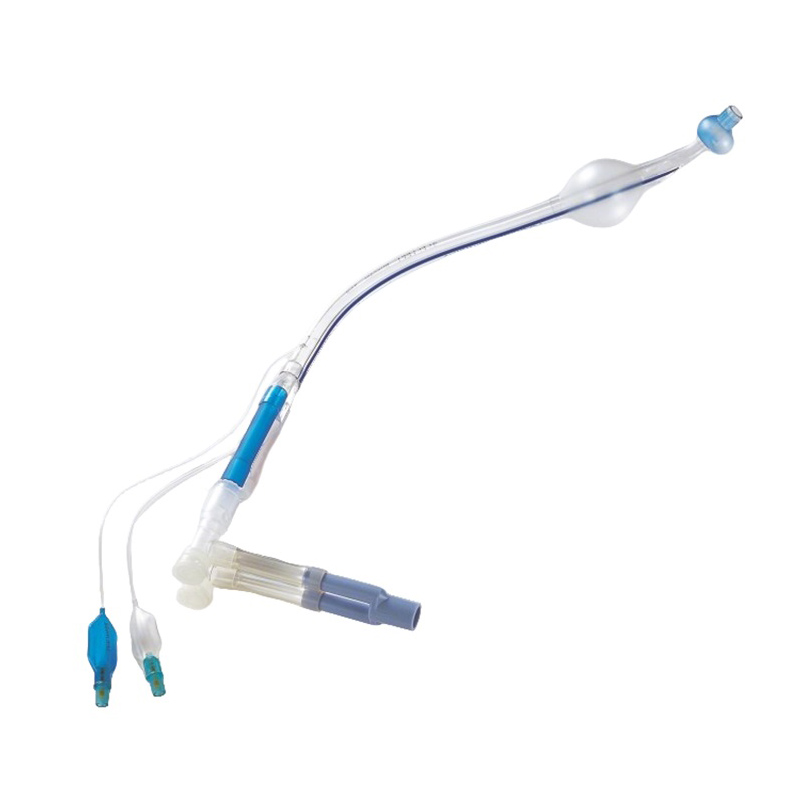
Standard Endobronchinal Blocker Tube

In today’s thoracic care landscape, hospitals and clinicians face persistent pain points: unreliable lung isolation (leading to surgical delays), complex device operation (straining overburdened OR teams), and high complication risks (e.g., microaspiration, airway trauma) that drive increased costs. Our Standard Endobronchinal Blocker Tube,  a specialized airway device designed to facilitate one-lung ventilation (OLV) during surgical procedures, is engineered to address these critical gaps. It enables targeted isolation of a single lung, creating a clear surgical field for thoracic interventions while maintaining safe respiratory support for the patient.

Specifications

Size Range

5Fr, 7Fr, 9Fr (suitable for a range of patient anatomies, from pediatric to adult cases)

Materials

DEHP- and latex-free (hypoallergenic, compatible with sensitive patient populations)

Compliance

Biocompatible, meeting ISO medical device standards

Sterility

Ethylene Oxide (EO)-sterilized (ready for immediate clinical use)

Key Features

Medical-Grade PU Ultra-Thin Cuff

Crafted from soft, medical-grade polyurethane—when inflated, it forms a secure seal; when deflated, it lies flush against the blocker tube for smooth passage through standard endotracheal tubes (ETTs).

Fiber-Optic Bronchoscope Insert Port

A dedicated port that accommodates a bronchoscope, enabling direct visualization of the device during placement.

Twist-Lock Design

An intuitive, secure locking mechanism that simplifies operation and prevents accidental displacement mid-procedure.

Medication Port

An integrated port for targeted delivery of medications (e.g., bronchodilators) to the isolated lung.

Pre-Inflation Balloon

A small balloon that aids in initial positioning and alignment of the blocker.

Camera Compatibility

Works with single-lumen tubes (SLTs) equipped with integrated cameras, enabling continuous visualization of the ETT and blocker throughout the procedure.

Clinical Advantages

Superior Seal & Reduced Aspiration Risk

The ultra-thin PU cuff creates a tight, atraumatic seal in the bronchus, minimizing microaspiration and protecting the non-operating lung.

Precise, Guided Placement

The fiber-optic port allows bronchoscopic visualization, ensuring accurate positioning of the blocker (eliminating the guesswork of blind placement).

Simplified, Secure Operation

The twist-lock design enables one-handed, reliable locking—reducing procedural delays and lowering the risk of unintended blocker movement.

Targeted Therapeutic Access

The medication port lets clinicians deliver treatments directly to the isolated lung, avoiding systemic administration when localized care is preferred.

Continuous Procedural Visibility

Compatibility with camera-integrated SLTs keeps the airway and blocker visible throughout the case, enhancing safety during complex interventions.

Applications

Thoracic Surgery: Facilitates one-lung ventilation for procedures including lobectomy, pneumonectomy, and esophageal resection (creating an unobstructed surgical field).

Selective Lung Isolation: Manages unilateral lung conditions (e.g., pulmonary lavage for alveolar proteinosis, drainage of unilateral abscesses) to protect the healthy lung.

Complex Airway Management: Isolates a damaged or bleeding lung (e.g., in cases of massive hemoptysis) to prevent cross-contamination and maintain respiratory stability.

Interested in Talking with a Medical Expert?

Contact us today to learn more.